

How to Build a Powerful Digital Brand Identity from Scratch?

In the hyper-connected world of 2026, a brand is no longer just a logo or a catchy slogan; it is the "digital gut feeling" someone has when they encounter your business online. With thousands of new companies launching every day, a weak or generic identity is the fastest way to become invisible. Building a brand from scratch isn't about decorating a business; it’s about defining its soul and ensuring that every digital touchpoint from your website to your social media comments tells the same story.
Whether you are a solo entrepreneur or a growing startup, your digital identity is your most valuable asset. It is the bridge of trust that connects a stranger to your product. To move from "just another business" to a recognizable brand, you need a strategy that balances visual aesthetics with a deep, human connection. Here is how to architect a brand identity that commands attention in 2026.
1. Defining Your "North Star" Purpose
Before you pick a color palette or a font, you must define the "Why" behind your business. In 2026, consumers are "authenticity-obsessed"; they don't just buy what you do, they buy why you do it. Your brand purpose is your North Star it guides every decision you make and ensures your identity remains consistent even as market trends shift. If you can’t clearly articulate the problem you solve and the values you stand for, your audience won't be able to either.
Once your purpose is clear, you must translate it into a Brand Voice. Are you the witty, rebellious newcomer or the calm, authoritative expert? This voice should be the same whether someone is reading an automated email or a social media caption. Consistency in purpose and voice creates a "predictable" personality, and in the digital world, predictability is the foundation of trust.
2. Visual Architecture: Beyond the Logo
While a logo is the face of your brand, your visual identity is the entire body language. In 2026, visual branding must be "Liquid," meaning it needs to look just as stunning on a massive 4K monitor as it does on a tiny smartwatch screen. Your color psychology and typography shouldn't just look "nice"; they should evoke a specific emotion. For example, a fintech brand might use deep blues for stability, while a creative agency might opt for vibrant neons to signal innovation.
To build this architecture, create a Digital Style Guide. This ensures that every team member or freelancer you hire uses the same hex codes, the same image filters, and the same spacing. In an era of infinite scrolling, a split-second glimpse of your brand’s specific "look" should be enough for a user to recognize you. If your visuals are chaotic or mismatched across platforms, your brand will appear amateur and unreliable.
3. The "Human-in-the-Loop" Strategy
One of the biggest mistakes in 2026 is building a brand that feels too "corporate" or "AI-generated." As the web becomes flooded with robotic content, the most powerful brand identities are those that lean into their humanity. This means showing the faces behind the company, sharing "imperfect" behind-the-scenes moments, and engaging in real conversations with your audience. Your digital identity shouldn't be a polished mask; it should be an invitation to a relationship.
This human element extends to your Brand Storytelling. Instead of just listing features, share the journey of how your products are made or the stories of the people they have helped. When you give your audience a "peek behind the curtain," you transform from a nameless entity into a trusted partner. Trust is built in the small, unscripted moments the direct replies to comments, the personalized video messages, and the transparent updates on your company's progress.
4. Ecosystem Integration: Creating a Seamless Loop
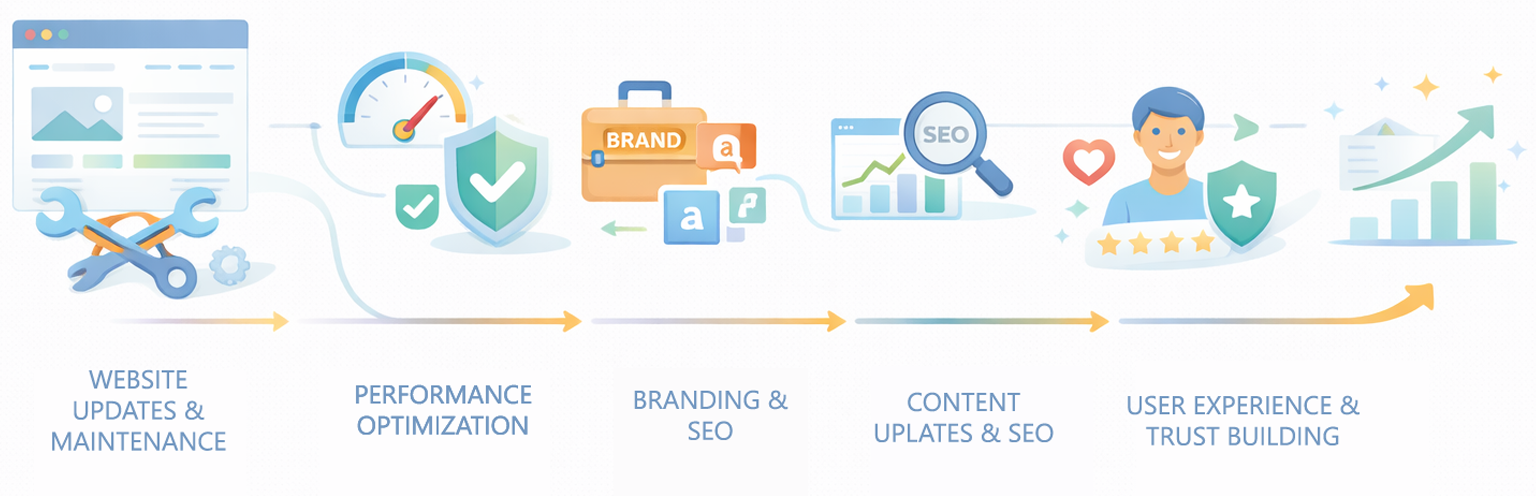
A powerful brand identity is only as strong as its weakest link. If your Instagram is high-energy and modern, but your website is slow and outdated, the "brand loop" is broken. In 2026, a powerful identity requires Cross-Platform Synergy. Every digital channel should feel like a different room in the same house. Your email newsletters, your YouTube thumbnails, and your LinkedIn articles should all share a cohesive DNA that makes the user feel "at home" regardless of where they find you.
To achieve this, focus on the User Experience (UX) as Branding. How your website feels to navigate is a major part of your identity. A brand that values "simplicity" should have a website that is incredibly easy to use. A brand that values "innovation" should incorporate the latest interactive features. Your identity isn't just what you say; it’s the quality of the experience you provide at every stage of the customer journey.
Is Your Brand Ready to Stand Out?
Building a brand from scratch is a journey, not a destination. It requires constant nurturing and a willingness to evolve alongside your audience.
Leave a Comment