

Website Maintenance: 5 Reasons You Shouldn’t Ignore Your Site After Launch
28
Aug
You’ve finally done it. After months of design tweaks and content drafting, your website is live. It’s tempting to treat this milestone like a finished book something to be placed on a shelf and admired from afar. However, in the digital landscape of 2026, a website is more like a high-performance engine than a static brochure. If you stop "servicing" it the moment it hits the road, you are inviting a breakdown that could cost you both money and reputation.
Ignoring your site after launch is one of the most common mistakes small business owners make. The web is constantly evolving, with new security threats, browser updates, and algorithm shifts occurring daily. Here are five critical reasons why ongoing website maintenance is the only way to protect your digital investment.
1. Security: Don't Leave Your Digital Front Door Unlocked
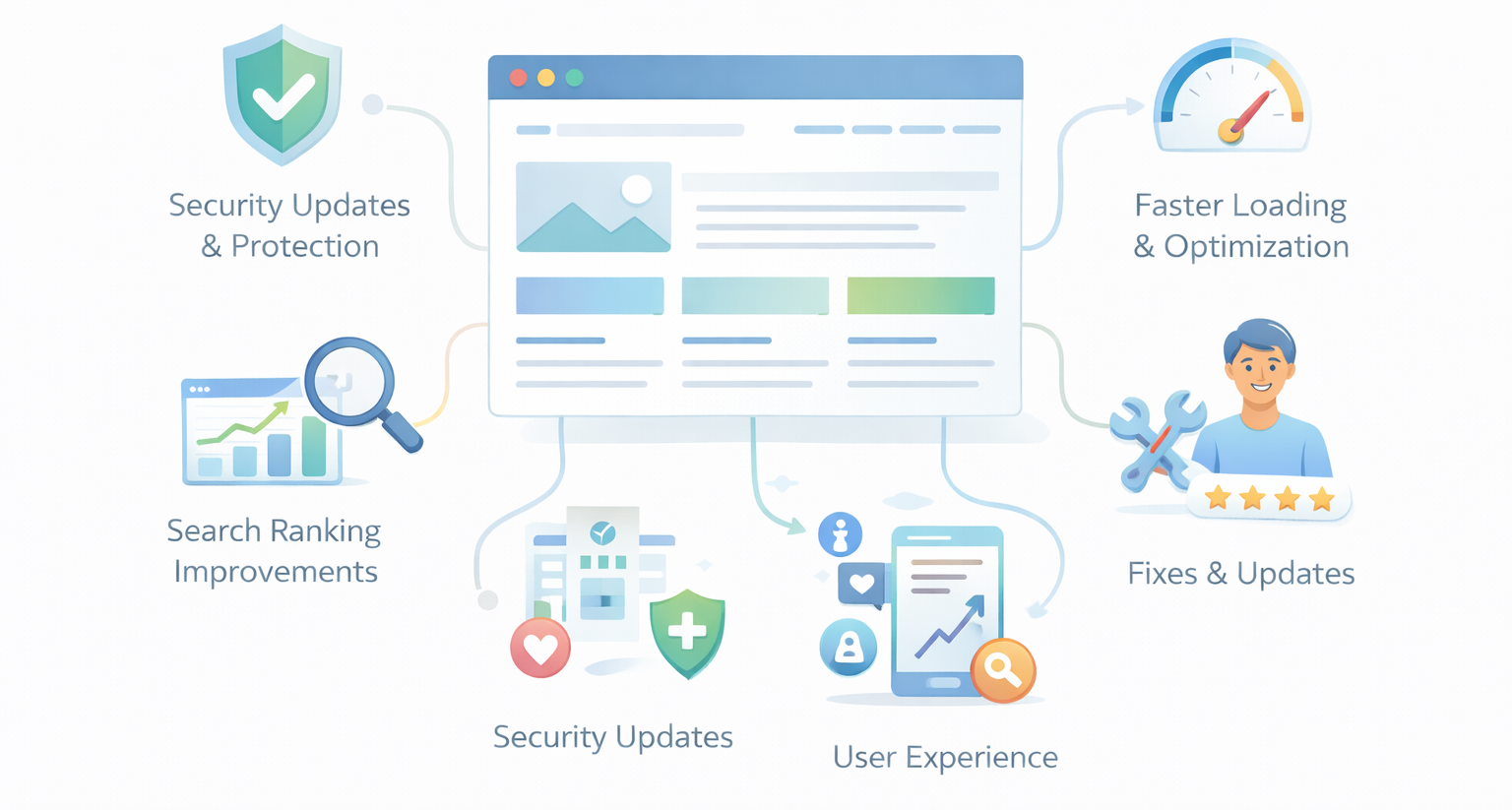
The most dangerous myth is that "small websites don't get hacked." In 2026, automated "bad" bots are constantly scanning the web for vulnerabilities, regardless of a business's size. Outdated plugins, themes, and Content Management Systems (CMS) are like an open invitation for malware and data breaches. If you aren't regularly patching these holes with security updates, you aren't just risking your data you’re risking your customers' sensitive information.
A single security breach can lead to your site being blacklisted by search engines, displaying a terrifying "This site may be hacked" warning to potential clients. Maintenance includes regular malware scans, SSL certificate renewals, and the implementation of "Zero-Trust" security protocols. Think of it as a 24/7 security guard for your brand; it’s much cheaper to prevent a break-in than to clean up after one.
2. Speed and Performance: The 3-Second Rule
Technology moves fast, and user patience is moving even faster. In 2026, Google has shifted its focus to Interaction to Next Paint (INP), a metric that measures exactly how responsive your site feels when a user clicks a button. Over time, websites can become "bloated" with old database logs, unoptimized images, and redundant scripts. Without regular performance tuning, your lightning-fast launch will slowly degrade into a sluggish experience.
If your site takes more than three seconds to load, over half of your mobile visitors will bounce before they even see your homepage. Maintenance involves "cleaning the pipes" compressing new images, clearing out cache files, and ensuring your hosting resources are keeping up with your traffic. A fast site isn't just a luxury; it’s a core requirement for keeping your bounce rate low and your conversion rate high.
3. SEO Rankings: Keeping the "Freshness" Factor
Search engines like Google have a strong preference for active, well-maintained websites. If your content hasn't changed in six months and your links are starting to break, Google’s bots will assume your site is abandoned or irrelevant. This leads to a slow slide down the search results pages, eventually burying you beneath competitors who are regularly updating their digital presence.
Ongoing maintenance includes "Content Refreshing" updating old statistics, fixing broken internal links (404 errors), and ensuring your XML sitemap is accurate. By showing search engines that your site is a living, breathing resource, you maintain your authority. In 2026, staying on Page 1 is a game of consistency, not just a one-time setup.
4. Avoiding "Technical Debt" and Broken Features
Have you ever visited a site where the "Contact Us" form just... doesn't work? This usually happens because a third-party tool or plugin updated, but the website itself didn't. As browsers like Chrome and Safari release new versions, the code that worked perfectly at launch can suddenly become obsolete. This is known as "Technical Debt," and if you ignore it, the cost of fixing a completely broken site will be far higher than the cost of monthly check-ups.
Maintenance involves testing your critical paths like your checkout flow or lead forms to ensure they still function across all new devices and browsers. It’s far better to catch a minor glitch during a routine check than to discover your "Buy Now" button has been broken for three weeks through a frustrated customer’s email.
5. Protecting Your Brand Credibility
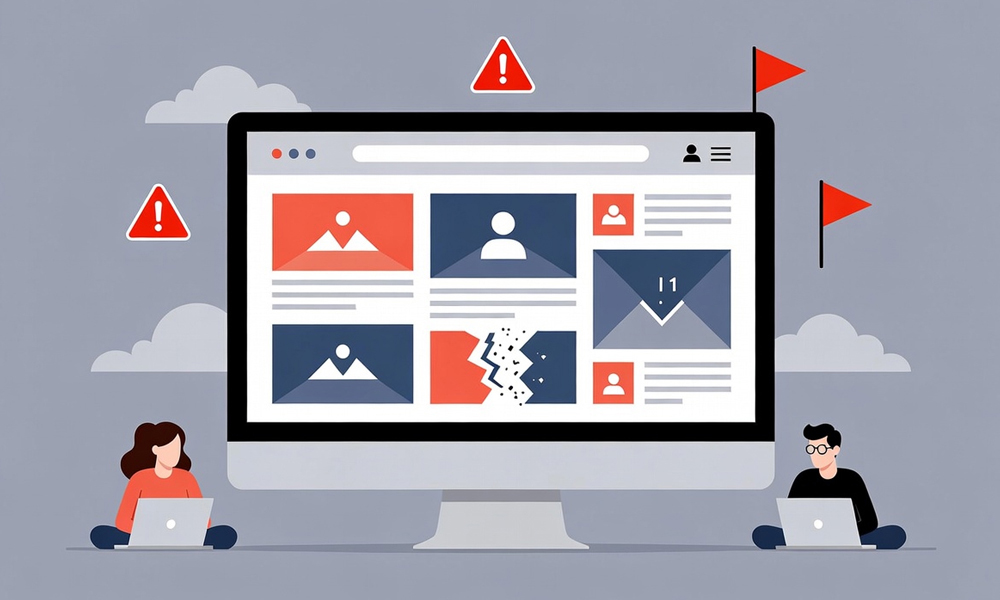
Your website is often the very first interaction a customer has with your business. If they land on a page with broken images, "Copyright 2023" in the footer, or glitchy navigation, they will immediately question your professionalism. A neglected website sends a subtle message that you might be equally negligent with your products or services.
Regular maintenance ensures your brand stays polished and modern. It allows you to make "Micro-Improvements" small design tweaks, updated team photos, or fresh testimonials that signal to the world that your business is thriving and attentive to detail. A well-oiled website builds the trust necessary to turn a casual browser into a loyal customer.
Is Your Website Ready for a Tune-Up?
Launching was the beginning of the race, not the finish line. Proper care today ensures your site remains your most powerful sales tool for years to come.
Leave a Comment