

Why Your Business Isn’t on Page 1 of Google?
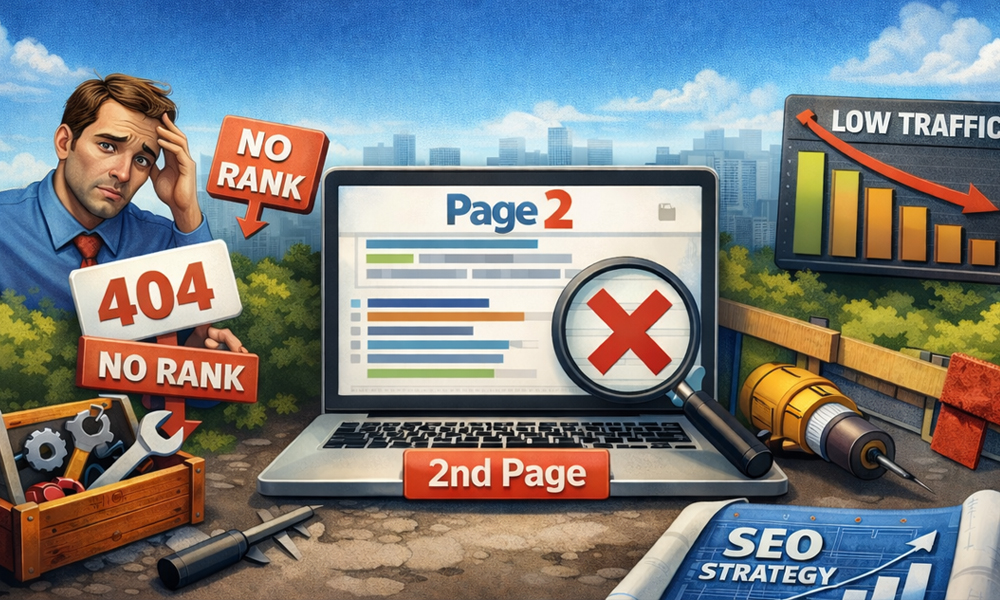
In 2026, the digital landscape has shifted from a simple "search engine" to a complex "ecosystem of answers." If you’ve noticed your website slipping into the dark corners of Page 2 or 3, it’s likely because the old playbook stuffing keywords and chasing backlinks has finally expired. Google’s AI-driven algorithms now prioritize the user’s ultimate goal over mere relevance.
Getting back to the top isn't about outsmarting a bot; it’s about proving your brand's digital credibility. Here is why your rankings have stalled and the precise steps you need to take to reclaim your spot on Page 1 this year.
1. You’re Optimizing for Keywords, Not "Entities"
For years, SEO was about matching the exact words people typed. In 2026, Google uses Entity Based SEO, which means it looks at the relationship between your brand, your industry, and your experts. If your website is a collection of random articles rather than a structured web of specialized knowledge, Google's AI (SGE) won't see you as an authority.
To fix this, stop treating your blog like a diary and start building Topical Clusters. Group your content into "Pillar Pages" that cover a broad subject, then link them to "Cluster Posts" that answer specific, long-tail questions. This signals to Google that you don't just "mention" a keyword; you own the entire topic.
2. Your E-E-A-T Is Missing the "Experience"
Google’s Quality Rater Guidelines have doubled down on E-E-A-T (Experience, Expertise, Authoritativeness, and Trustworthiness). With the web flooded by generic AI-generated content, Google is desperately looking for a "human in the loop." If your content reads like a textbook and lacks original insights, case studies, or first-hand results, it will be buried by AI-generated summaries.
The fix is to inject lived experience into every page. Include author bios that link to real LinkedIn profiles, embed video walkthroughs of your processes, and share unique data or "behind-the-scenes" stories that an AI couldn't possibly know. Showing is now more important than telling; a screenshot of a real-world result is worth more than a thousand "SEO-optimized" words.
3. You’ve Ignored the "Zero-Click" Revolution
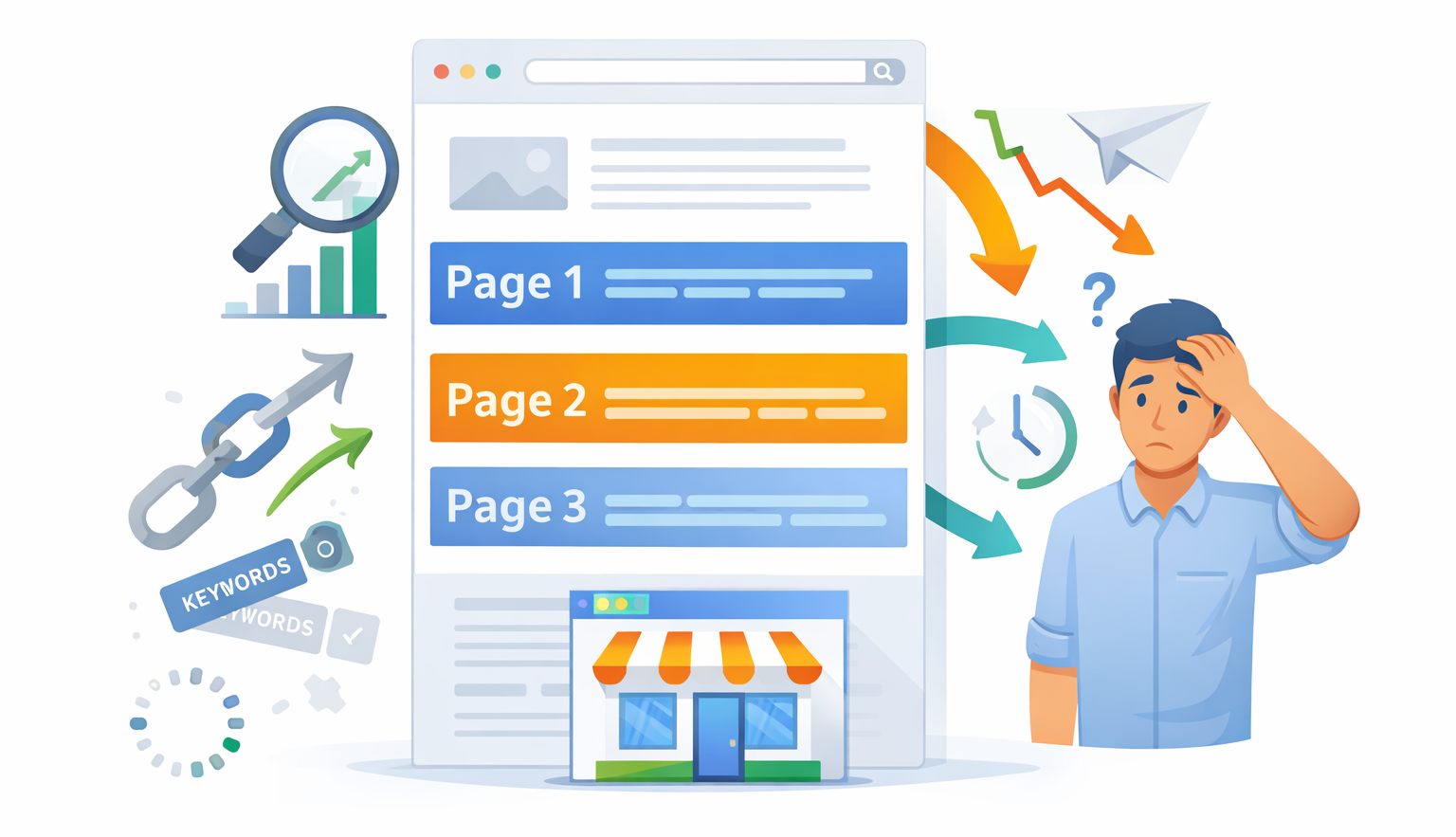
A significant portion of searches in 2026 result in a "zero-click" experience, where the user gets their answer directly from a Google AI Overview without ever visiting a website. If your content isn't structured to be "cited" by these AI summaries, you lose that visibility entirely. Many businesses fail because their information is buried in long, unformatted blocks of text.
To capture this visibility, you must implement Advanced Schema Markup (like FAQ, How-To, and Organization schema). Break your content into "snackable" formats: use bulleted lists, concise 40-word summaries for key questions, and clear H2/H3 headers. When you make it easy for Google’s AI to "clip" your answer, you’ll see your brand featured in the AI Overview box at the very top of the page.
4. Your "Core Web Vitals" Are Lagging
In 2026, user experience isn't just a "nice-to-have" it’s a hard ranking factor. Google’s Interaction to Next Paint (INP) metric now measures exactly how responsive your site feels when a user clicks a button or scrolls. If your site is bloated with heavy scripts, slow-loading images, or annoying pop-ups that shift the layout, Google will demote you to protect the user's sanity.
Start by running a report in Google Search Console to identify your slowest pages. Switch to next-gen image formats like WebP or AVIF, and consider a "headless" CMS or a more modern hosting stack if your current site feels sluggish. A one second delay in mobile loading can be the difference between a Page 1 lead and a Page 3 bounce.
Ready to Audit Your Digital Presence?
SEO in 2026 isn't about "gaming the system" the system is now too smart for that. It’s about being the most helpful, most human answer on the web. Stop writing for bots and start building a brand that people (and Google) actually trust.
Leave a Comment